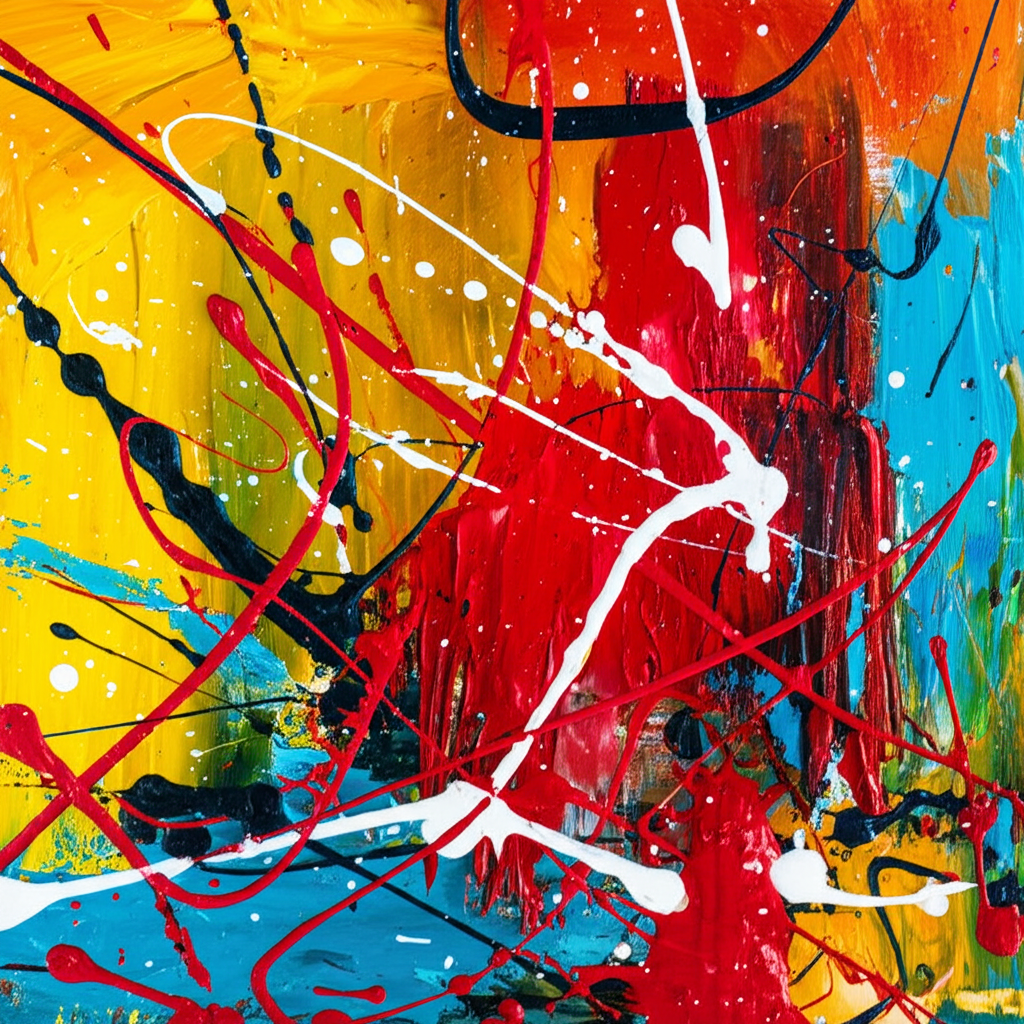
Most of the angels in this catalogue are either named archangels or an anonymous chorus. This entry belongs to a third group: the single, unnamed angel of a Hebrew Bible episode, present for one act and gone afterwards. The title states the act exactly — the prophet Elijah receiving bread and water. Provisioning, not announcement; a servant's function rather than a messenger's.
The catalogue dates the work to 1628 and gives Peter Paul Rubens, filed as Flemish with the style term Baroque. The measured colour family is yellow. The recorded location is the Musée Bonnat in Bayonne, France. The record carries no dimensions for this entry, so its scale is not established here.
The nine-rank scheme of the celestial hierarchy has almost nothing to say about a figure like this one. Ranks were assigned by proximity to God — seraphim and cherubim at the top, plain angels at the bottom — and the bottom rank is the one that deals with people. An angel who brings food to a prophet in a wilderness is doing the lowest-ranked work in the entire system, and it is the work that produced most of the pictures.
Flemish painter, 1577-1640
High-resolution image of the work, hosted on Wikimedia Commons.
Louie Drehmer, Curator, Angel Oil Paintings
Louie curates Angel Oil Paintings. The sources available for this entry are listed above.
The Prophet Elijah Receiving Bread and Water from an Angel is an oil painting by Peter Paul Rubens, 1628, held at Musée Bonnat, Bayonne, France.
Support Angel Oil Paintings
Purchases fund this free archive.
Alessandro Allori
Andrea del Sarto
Annibale Carracci
Antonello da Messina
Barent Fabritius
Bartolome Esteban Murillo